AHSYNC BYTES - Weekly Digest (10th Nov, 2025)
Explore how AI is transforming robotics and automation with Tesla’s Optimus and Amazon’s warehouse systems, while multimodal AI bridges chat and voice. Plus, dive into Angular’s latest updates and key frontend insights on async handling and MCP servers.
Welcome to this week’s edition of the IT Digest — a concise yet powerful roundup of what’s trending across the tech industry. Explore the latest in AI innovation, frontend development, and Angular excellence, all curated to keep you informed and inspired.
🤖 AI & Machine Learning
Tesla Unveils Next‑Level AI Innovations with Optimus Humanoid Robot
Tesla, Inc. unveiled significant updates to its humanoid robot Optimus and AI systems, highlighting advances in dexterity, perception, and manufacturing automation. The latest generation of Optimus promises improved physical capabilities, such as balancing and object manipulation, and broader deployment targets in factories and logistics.
The presentation signals Tesla’s shift toward robotics and AI‑powered automation beyond electric vehicles. These developments reflect how AI integration is being applied in embodied systems, not just software.
 Mackenzie Ferguson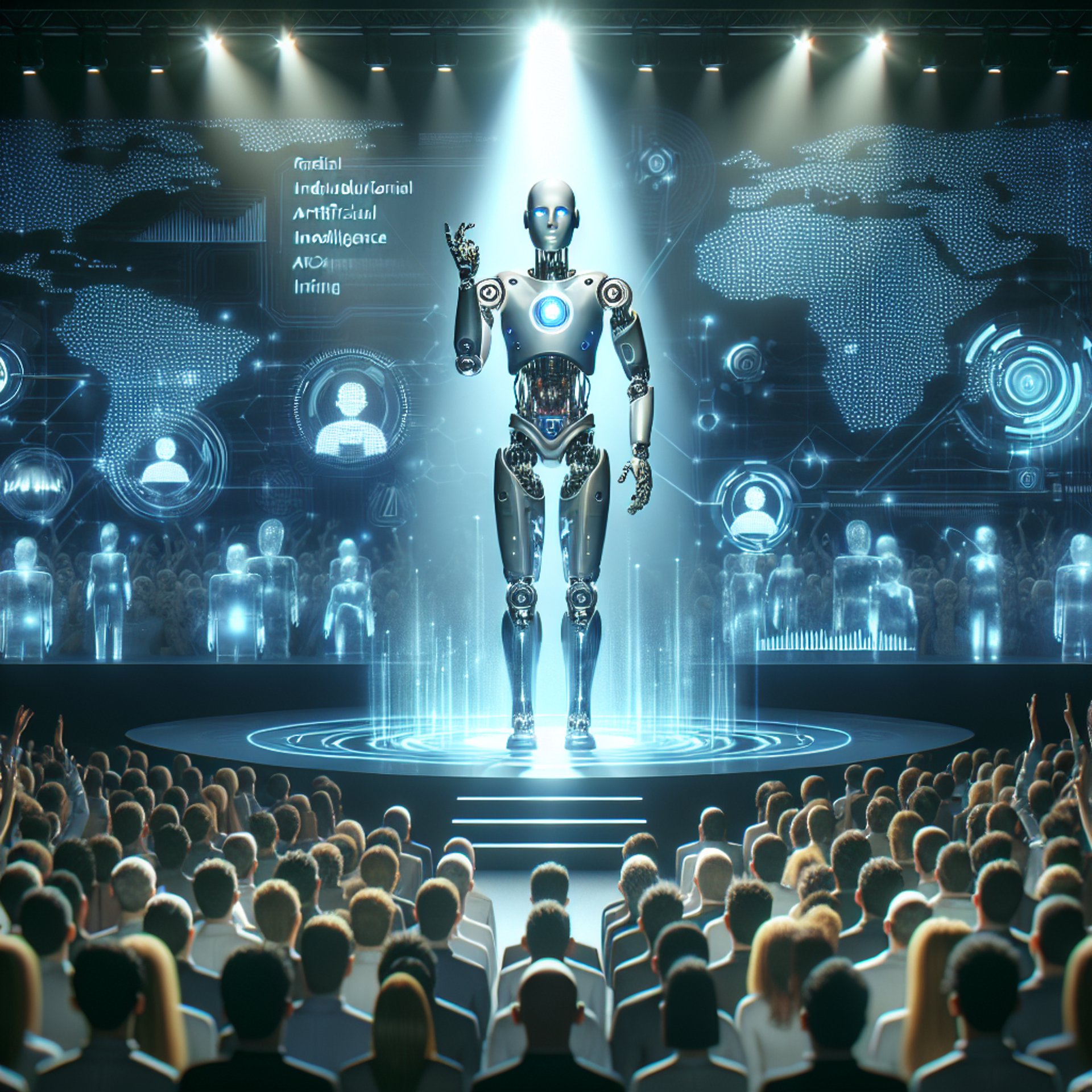
Amazon Trains Robots with AI to Become Better Warehouse Workers
Amazon is deploying advanced artificial intelligence to improve the efficiency and capabilities of its warehouse robots. The new AI systems enable the robots to learn from vast datasets, allowing them to better identify, sort, and handle millions of diverse products without direct human programming for each task.
This shift from procedural automation to AI-driven learning is designed to speed up fulfillment operations. While Amazon states the technology is meant to work collaboratively with human employees, it raises broader questions about the long-term impact of AI on the logistics and warehouse workforce.

Multimodal AI has arrived
Meet Multimodal AI—the end of the call-vs-chat dilemma. It’s a dynamic step forward that makes every interaction feel natural, fluid, and fast. Chat and voice live in the same conversation, at the same time. Start typing, switch to speaking, or do both without losing context. No more choosing between a call or a chat, it adapts to meet your customers where they are.
They can move effortlessly between modes to fit their situation, hands-free or heads-down, no problem. Say goodbye to either/or and hello to both/and. Here’s how it all comes together.
 Ian Sharpe&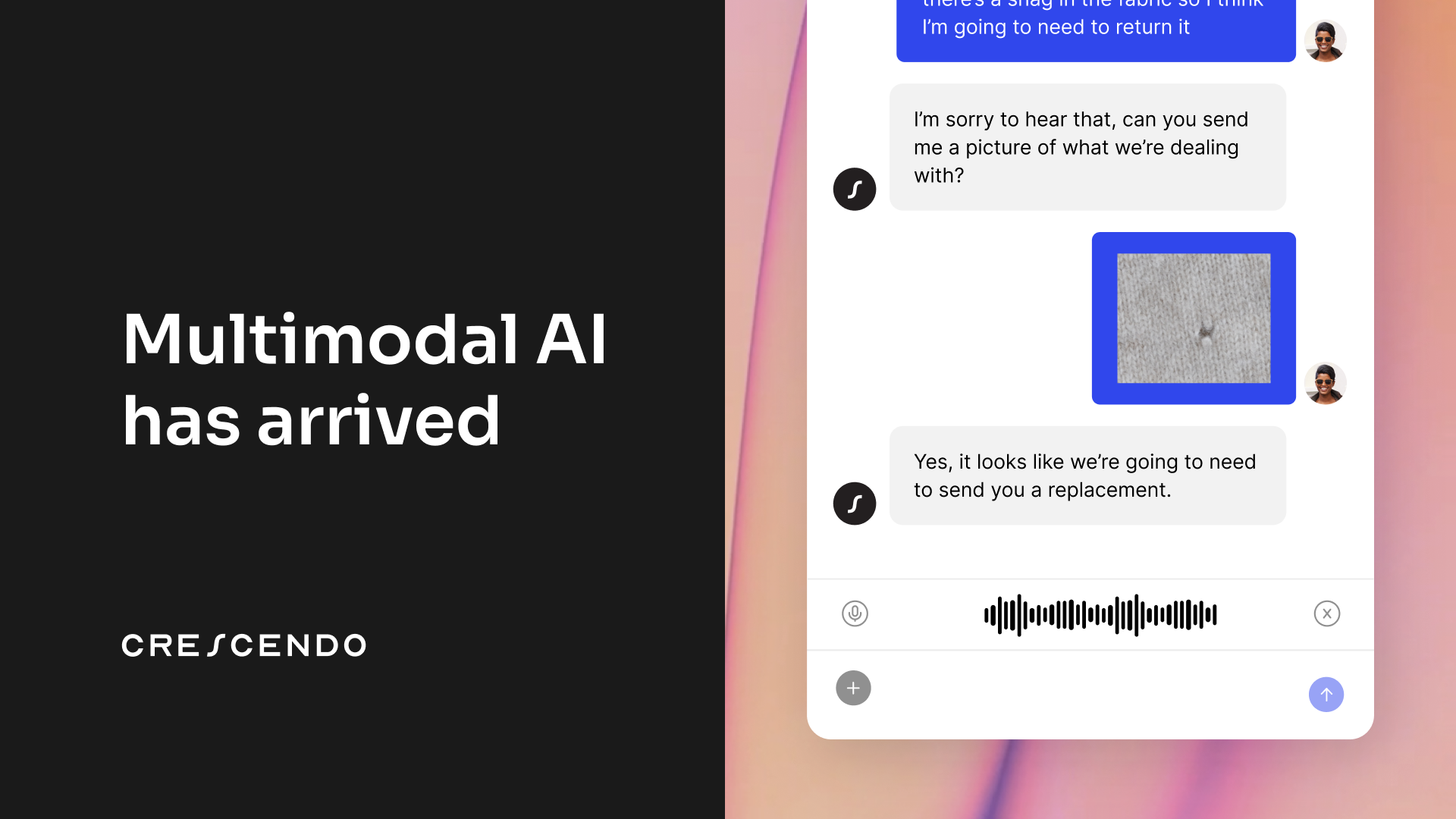
🚀 Angular
Q&A with Angular Team, Mutations in ngrx-toolkit
SignalForms are now available in Angular’s main branch for early adopters. Meanwhile, the community pushes forward with mutation support, and Angular recaps its summer progress. Plenty to catch up on in this week’s ng-news!
Master Angular Signals In 90 mins!
This video is my tribute to all the legends who have created similar videos in the past :) From which I learnt a lot, and now I'm giving back. The video is a beginners guide to Angular, in just 90 minutes. You can see from the comments about what everyone loves about this Angular crash course.
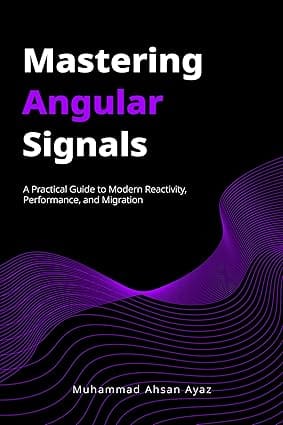
Master Angular Signals
If you're tired of wrestling with ExpressionChangedAfterItHasBeenCheckedError, complex RxJS chains, or slow, unpredictable apps, you've found the solution.
This book is for you if you:
✅ Are struggling to understand when and how to use Angular Signals effectively.
✅ Want to build modern, zoneless applications but don't know where to start.
✅ Need a clear, practical plan to migrate your existing RxJS or NgRx (RxJS based) codebase.
✅ Are ready to write simpler, cleaner, and dramatically more performant code.
Authored by Muhammad Ahsan Ayaz—a Google Developer Expert, multiple-award-winning author, awarded by Google (via the GDE program) for his Angular course on YouTube called "MASTER Angular in 90 Minutes with This Crash Course" with over 370,000 views, and author of ngx-device-detector (an Angular library with over 12 million installs and over 5,500 GitHub projects using it today—this guide cuts through the theory and gives you battle-tested, practical strategies.

Upcoming Events
- NG Poland 2025: November 18 2025, 10th Edition
- The Principal Dev – Masterclass for Tech Leads: November 27-28 2025
- Angular Day: will be held in 2026, Get notified yourself!
 NG Poland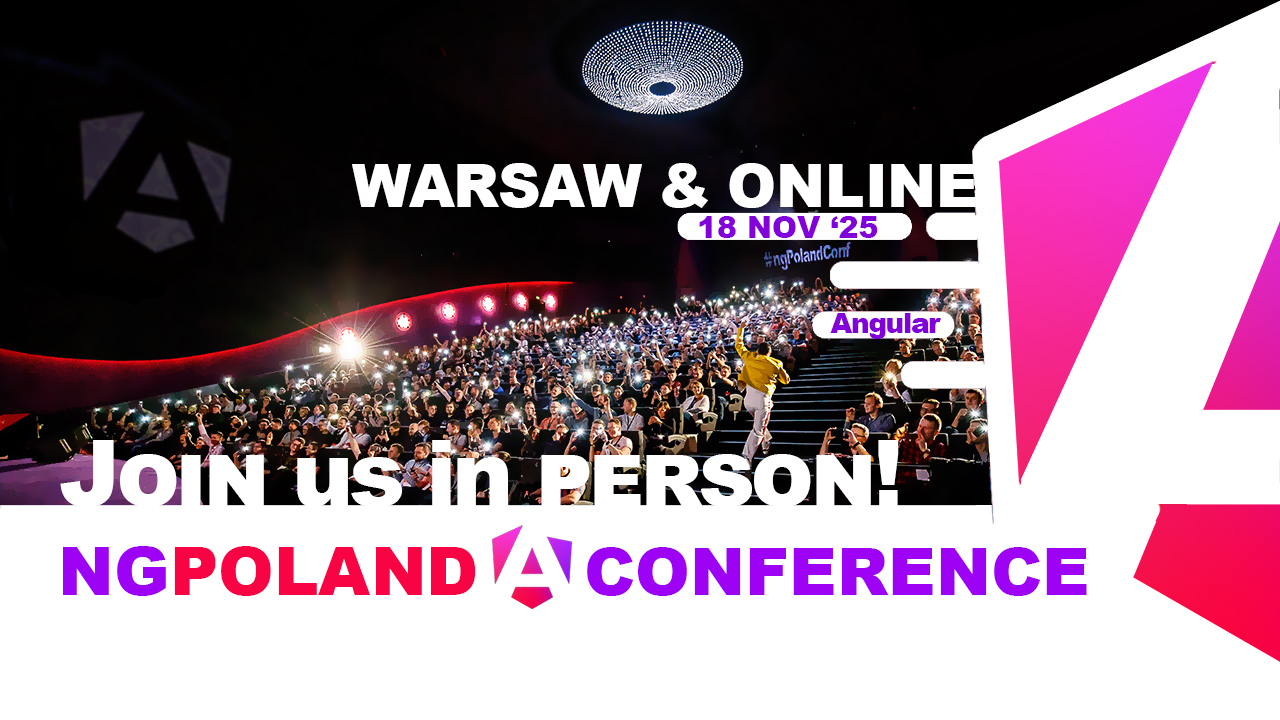
 Lars O. Tech Lead

🌐 Web & Frontend
Handling Time and Mock Clocks in Tests
In the realm of software testing, the concept of time can be a tricky one to manage, especially when dealing with asynchronous operations and timeouts. We are continually refining our approach to handling time in unit tests, particularly concerning the use of mock clocks. We’ve found that mock clocks, while useful, often lead to headaches in test code and unrealistic timing scenarios.
To address these challenges, we are exploring the exciting concept of “auto-advancing” mock clocks, which aim to streamline testing and enhance the accuracy of time-based simulations. In this blog post, we’ll delve into the intricacies of mock clocks, their limitations, and the potential benefits of auto-advancing functionality.
 Andrew Scott
Understanding Async Functions: Why You Don't Need Promise.resolve() in async Functions
If you've worked with async/await in JavaScript or TypeScript, you might have encountered a common question: Why can you return a plain value from an async function even though the return type is Promise
This is a great question that trips up many developers! Check this article to know about how async functions automatically handle return values.
 Cathy Lai
Understanding Model Context Protocol (MCP) Servers
Model Context Protocol (MCP) is a new open standard (introduced by Anthropic in late 2024) that unifies how AI systems like large language models (LLMs) connect to external tools, data, and services.
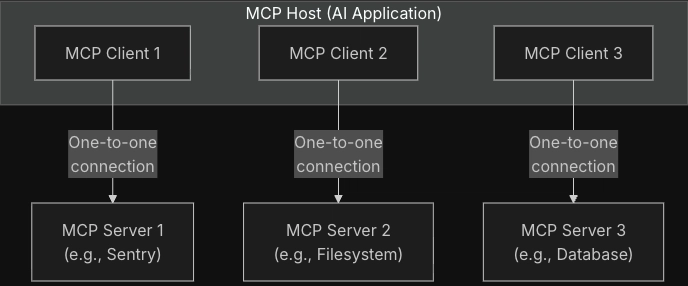
In MCP’s client-server architecture, an AI host (for example, a chat app or IDE) runs one or more MCP clients, each of which connects to an MCP server that provides specific functionality. An MCP server is simply a program (often a Node/TypeScript/Express service for JS developers) that registers “tools” and “resources” that the AI can invoke . These tools might let the AI read files, query a database, call an API, or perform any domain-specific action. Each action is mediated by the MCP protocol (a JSON-RPC 2.0–based interface over stdio or HTTP/SSE) so that the AI and server communicate in a standardized way.
 Shada Daab
Upcoming Events
- Web Directions Developer Summit: November 19-20, 2025 - Sydney, AU
- AWS re:Invent 2025: December 1 – 5, 2025 - Global cloud computing conference
- Frontend Nation: Comming in 2026! Free Online Live Event






💡 Bottom Line Up Front
Artificial intelligence took center stage this week, redefining automation and human-machine collaboration. Tesla’s Optimus robot and Amazon’s AI-trained warehouse systems mark major steps toward intelligent, adaptable robotics. Meanwhile, multimodal AI promises a future where conversation flows naturally across voice and text.
Angular’s evolution continues with SignalForms and community insights, backed by resources to master Angular Signals. On the web front, developers gain practical lessons in time management for testing, async programming, and the promising new MCP framework connecting AI systems with real-world data and tools.
I hope you find these helpful. If you do, please share our blog with others so they can join our amazing community on Discord (link below)

Don't miss out – join our awesome community to grow as a tech enthusiast, and to help others grow.
As always, Happy coding ❤️