AHSYNC BYTES - Weekly Digest (16th Feb, 2026)
AI is entering real engineering workflows, from Gemini automated code reviews to open-source robotics and new cybersecurity risks. Meanwhile, Angular architecture practices, TypeScript 6.0, and hiring trends show development teams adapting to AI-augmented collaboration across the modern web stack.
Catch up on the most important developments in AI/ML, Angular, and web technologies—all in one place. A quick read to keep your skills current.
🤖 AI & Machine Learning
Gemini CLI’s Conductor Update: Introducing Automated Reviews
In December, Google introduced Conductor, an extension for the Gemini CLI designed to bring context-driven development to your terminal. By shifting project awareness out of ephemeral chat logs and into persistent, version-controlled markdown files, Conductor has helped developers worldwide plan before they build.
Today, we’re releasing a new feature to help make AI-assisted engineering safer and more predictable. Our new Automated Review feature allows Conductor to go beyond planning and execution into validation, generating post-implementation reports on code quality and compliance to the guidelines you’ve defined.
 Sherzat Aitbayev
Alibaba Enters Physical AI Race with Open-Source Robot Model RynnBrain
Alibaba has entered the race to build AI that powers robots, not just chatbots. The Chinese tech giant this week unveiled RynnBrain, an open-source model designed to help robots perceive their environment and execute physical tasks.
The move signals China’s accelerating push into physical AI as ageing populations and labour shortages drive demand for machines that can work alongside—or replace—humans. The model positions Alibaba alongside Nvidia, Google DeepMind, and Tesla in the race to build what Nvidia CEO Jensen Huang calls “a multitrillion-dollar growth opportunity.”
Unlike its competitors, however, Alibaba is pursuing an open-source strategy—making RynnBrain freely available to developers to accelerate adoption, similar to its approach with the Qwen family of language models, which rank among China’s most advanced AI systems.
 Dashveenjit Kaur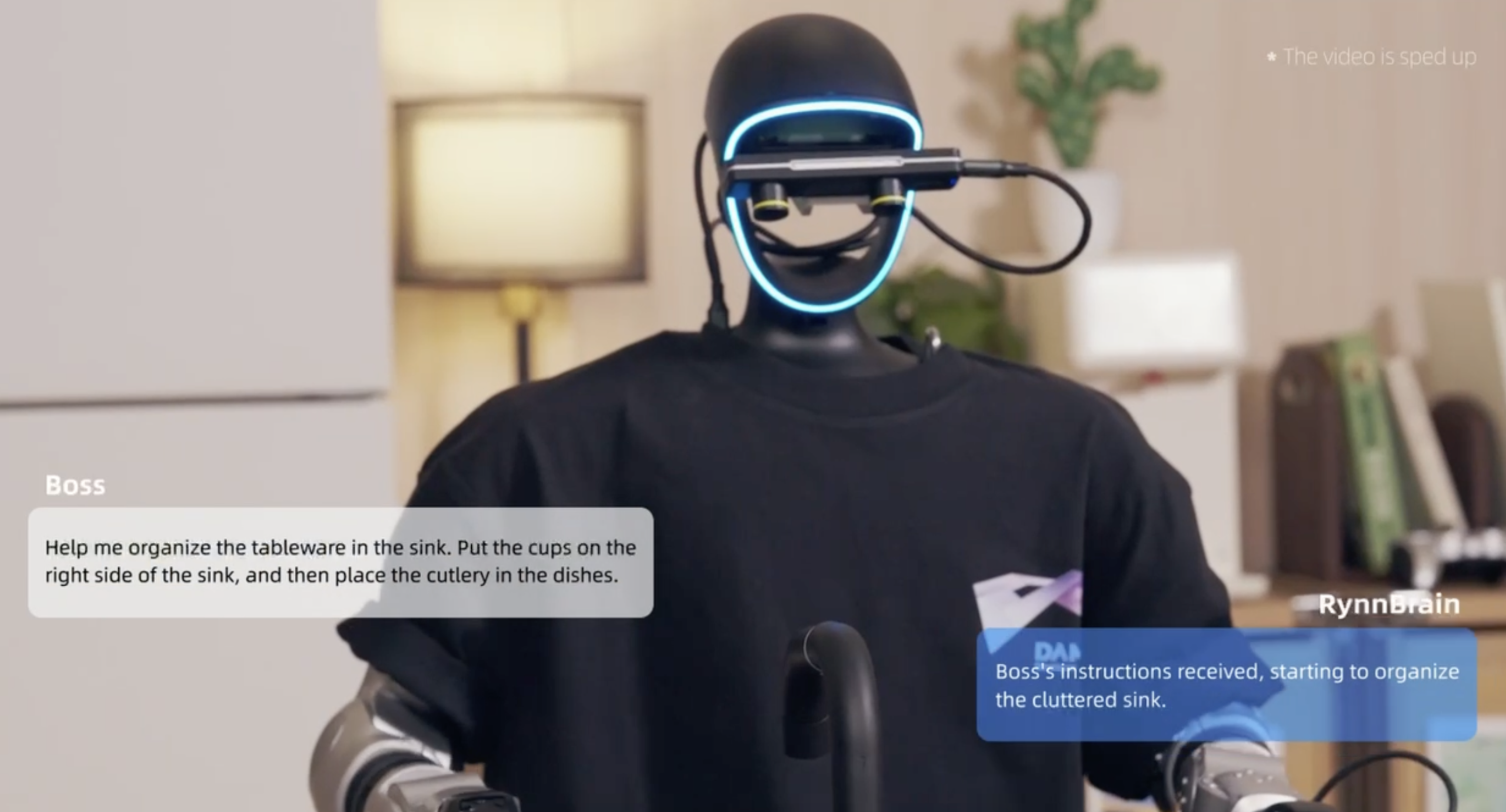
Google Identifies State-Sponsored Hackers Using AI in Attacks
State-sponsored hackers are exploiting highly-advanced tooling to accelerate their particular flavours of cyberattacks, with threat actors from Iran, North Korea, China, and Russia using models like Google’s Gemini to further their campaigns. They are able to craft sophisticated phishing campaigns and develop malware, according to a new report from Google’s Threat Intelligence Group (GTIG).
The quarterly AI Threat Tracker report, released today, reveals how government-backed attackers have begun to use artificial intelligence in the attack lifecycle – reconnaissance, social engineering, and eventually, malware development. This activity has become apparent thanks to the GTIG’s work during the final quarter of 2025.
“For government-backed threat actors, large language models have become essential tools for technical research, targeting, and the rapid generation of nuanced phishing lures,” GTIG researchers stated in their report.
 Dashveenjit Kaur
Meta Plans to Add Facial Recognition to its Smart Glasses, Report Claims
Meta plans to add facial recognition to its smart glasses as soon as this year, according to a new report from The New York Times. The feature, internally known as “Name Tag,” would allow smart glasses wearers to identify people and get information about them through Meta’s AI assistant.
Meta’s plans could change, the report notes. The tech giant has been deliberating since early last year on how to release a feature that carries “safety and privacy risks.”
According to an internal memo, the company had originally planned to release Name Tag to attendees of a conference for the visually impaired before releasing it to the public, but didn’t end up doing that.
 Aisha Malik
🚀 Angular
How To Build Angular Components Teams Actually Reuse
In this article, we’ll unpack smart architecture with Nx libraries, a straightforward cost-benefit lens for generic versus domain-specific components, and fresh Angular tricks like signals and dependency injection to ditch prop-drilling hell. No Nx setup tutorials or Angular 101 here — just battle-tested patterns.
If you’re on an engineering team scaling Angular — from coders in the trenches to tech leads plotting the big picture, even stakeholders eyeing ROI — this is your roadmap to sustainable code that actually ships faster. Let’s fix the reusability myth together. Read more!
Agent Skills in Claude – A Practical Guide for Angular Developers
If you’ve been using Claude Code for your daily Angular work – scaffolding components, debugging RxJS chains, refactoring services – you’ve probably noticed it sometimes generates outdated patterns. NgModules instead of standalone components. @Input() decorators instead of signal inputs. Constructor injection instead of inject(). The model was trained on code from a specific point in time, and Angular evolves fast.
Agent Skills solve this. They’re structured instruction files that teach Claude how to write code the way your project needs it written. Here we will focus on what Skills are, how they work in Claude Code, how to write effective ones, and what community resources already exist for Angular developers.
 Mateusz Stefańczyk
Global Expertise: AI Blueprints, Resource API Fixes, and Angular v20
The Angular community is truly global! This week’s roundup features cutting-edge AI integrations and essential deep dives into the newest features of Angular v20, with contributions in multiple languages to help developers everywhere level up.
Check out these latest highlights. Read more!

Upcoming Events
- JavaScript & Angular Days: March 20-24 2026 - Munich, Germany (and Online)
- International JavaScript Conference: May 11–15, 2026 - London, UK
- Angular Day: will be held in 2026, Get notified yourself!





🌐 Web & Frontend
Announcing TypeScript 6.0 Beta
Today we are announcing the beta release of TypeScript 6.0! To get started using the beta, you can get it through npm with the following command:
npm install -D typescript@betaTypeScript 6.0 is a unique release in that we intend for it to be the last release based on the current JavaScript codebase. As announced last year (with recent updates here), we are working on a new codebase for the TypeScript compiler and language service written in Go that takes advantage of the speed of native code and shared-memory multi-threading. This new codebase will be the foundation of TypeScript 7.0 and beyond. TypeScript 6.0 will be the immediate precursor to that release, and in many ways it will act as the bridge between TypeScript 5.9 and 7.0. As such, most changes in TypeScript 6.0 are meant to help align and prepare for adopting TypeScript 7.0.
 Daniel Rosenwasser
Vercel's New React Best Practices: What Every Developer Missed
Revolutionize your React workflow by mastering the new open standard for AI Agent Skills. In this guide, we tackle the "Context Saturation" problem and show you exactly how to equip Google Gemini and Claude with professional-grade procedural knowledge.
Vercel just dropped a massive React Best Practices guide, but most developers don't know how to actually integrate it into their daily coding agents. We walk through:
- Building a "Hello World" Agent Skill from scratch.
- Creating a "Feature Architect" skill to automate React scaffolding.
- Integrating Vercel’s official 57+ performance rules into your CLI.
- The transition from MCP servers to procedural "Agent Skills."
If you’re tired of AI models losing context or hallucinating project structures, this video is your solution to deterministic, high-quality AI coding.
IBM will Hire Your Entry-Level Talent in the Age of AI
While the artificial intelligence industry touts that AI will replace entry-level jobs, not every company is scaling back hiring these positions. In IBM’s case, it’s going all in.
Hardware giant IBM plans to triple entry-level hiring in the U.S. in 2026, according to reporting from Bloomberg. Nickle LaMoreaux, IBM’s chief human resource officer, announced the initiative at Charter’s Leading with AI Summit on Tuesday.
 Rebecca Szkutak
Upcoming Events
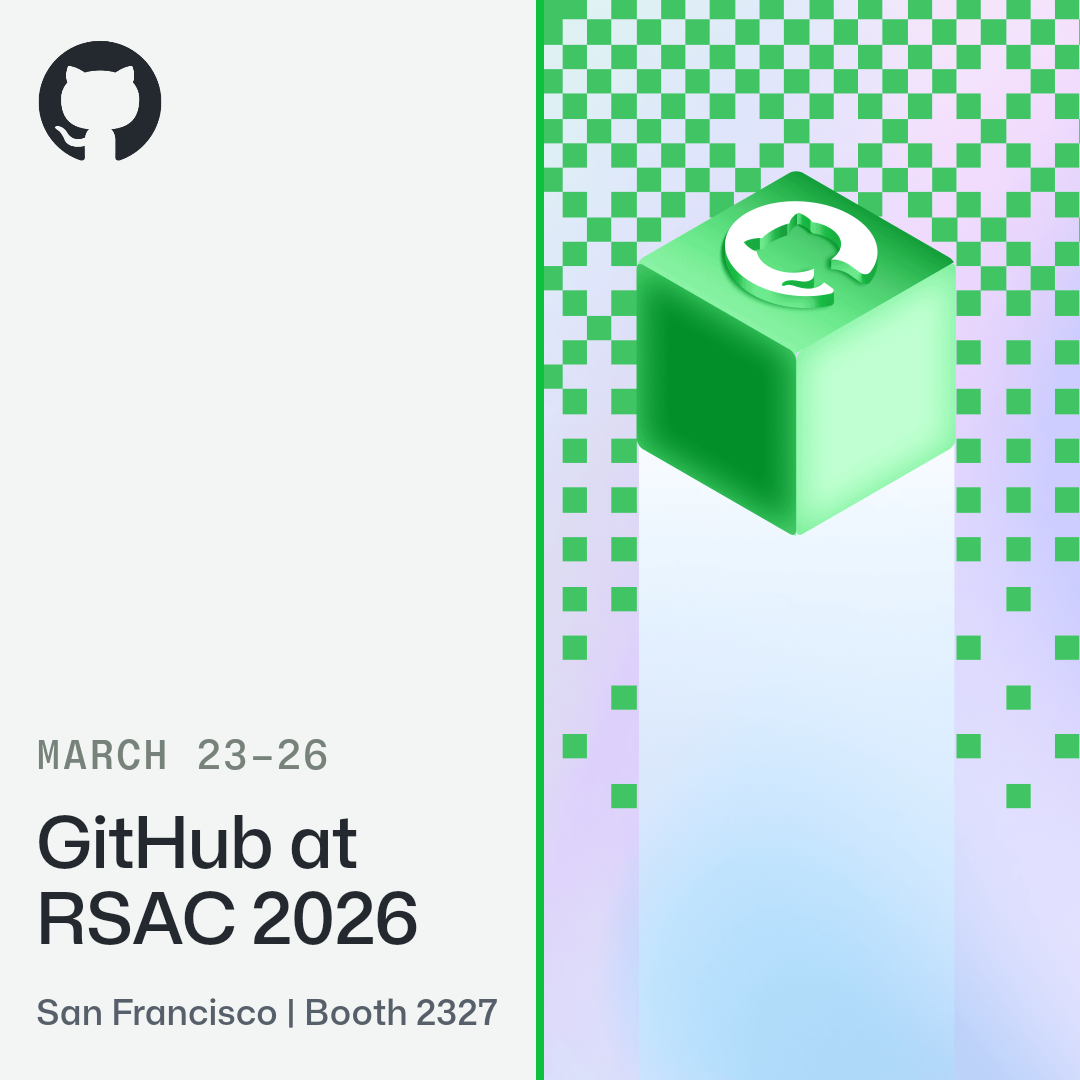
- GitHub at RSA 2026: March 23-26, 2026 - San Francisco, California
- ConFoo Montreal 2026: February 25-27, 2026 - Montreal, Canada. Visit Site
- Frontend Nation: Comming in 2026! Free Online Live Event



💡 Bottom Line Up Front
The core theme this week is the integration of AI into real engineering processes rather than standalone productivity tools. Automated code reviews, agent skills, and AI-aware development practices are transforming software engineering workflows into collaborative systems between developers and models. At the same time, security implications are becoming clearer as state-sponsored attackers adopt the same technologies for reconnaissance and phishing operations.
Parallel to these changes, web technologies are preparing for structural transitions. Angular is emphasizing scalable architecture and standardized patterns, while TypeScript moves toward a new high-performance compiler foundation. The broader industry context suggests that, despite automation concerns, organizations like IBM are increasing early-career hiring to support AI-augmented teams rather than replacing them.
I hope you find these helpful. If you do, please share our blog with others so they can join our amazing community on Discord (link below)

Don't miss out – join our awesome community to grow as a tech enthusiast, and to help others grow.
As always, Happy coding ❤️
Sponsor Us:
Promote your product to a focused audience of 4000+ senior engineers and engineering leaders.
Our newsletter delivers consistent visibility among professionals who influence technical direction and purchasing decisions.
Availability is limited. Secure your sponsorship by contacting ahsan.ubitian@gmail.com