AHSYNC BYTES - Weekly Digest (9th Feb, 2026)
This week’s digest covers major shifts in AI investment, agentic coding models, and frontend tooling. From hyperscaler capex strategies to Angular and React embracing AI context protocols, the focus is on scale, reliability, and real-world developer workflows.
The tech world moves fast. This digest highlights key updates in AI/ML, Angular, and frontend development to help you stay relevant and informed.
🤖 AI & Machine Learning
Amazon and Google are Winning the AI Capex Race — but What’s the Prize?
Sometimes, it can seem like the AI industry is racing to see who can spend the most money on data centers. Whoever builds the most data centers will have the most compute, the thinking goes, and thus be able to build the best AI products, which will guarantee victory in the years to come. There are limits to this way of thinking — traditionally, businesses eventually succeed by making more money and spending less — but it’s proven remarkably persuasive for large tech companies.
If that is the game, Amazon does seem to be winning.
 Russell Brandom
OpenAI Launches New Agentic Coding Model only Minutes After Anthropic Drops its Own
On Monday, OpenAI launched Codex, an agentic coding tool marketed to software developers. Today, OpenAI also launched a new model designed to turbo-charge Codex: GPT-5.3 Codex.
The company says that the model transforms Codex from an agent that can merely “write and review code” to one that can do “nearly anything developers and professionals do on a computer, expanding who can build software and how work gets done.” Having tested its new model against a number of performance benchmarks, OpenAI claims that it can create “highly functional complex games and apps from scratch over the course of days.”
 Lucas Ropek
A Beginner’s Reading List for Large Language Models for 2026
In this article, you will learn how to build a beginner-friendly 2026 reading plan for large language models (LLMs), from core concepts to scaling, rearchitecture, and practical applications.
Topics we will cover include:
- Foundational, conceptual, and hands-on resources for understanding LLMs.
- Guides for scaling and re-architecting LLMs to meet practical constraints.
- Selected research and domain-focused readings to broaden your perspective.
 Iván Palomares Carrascosa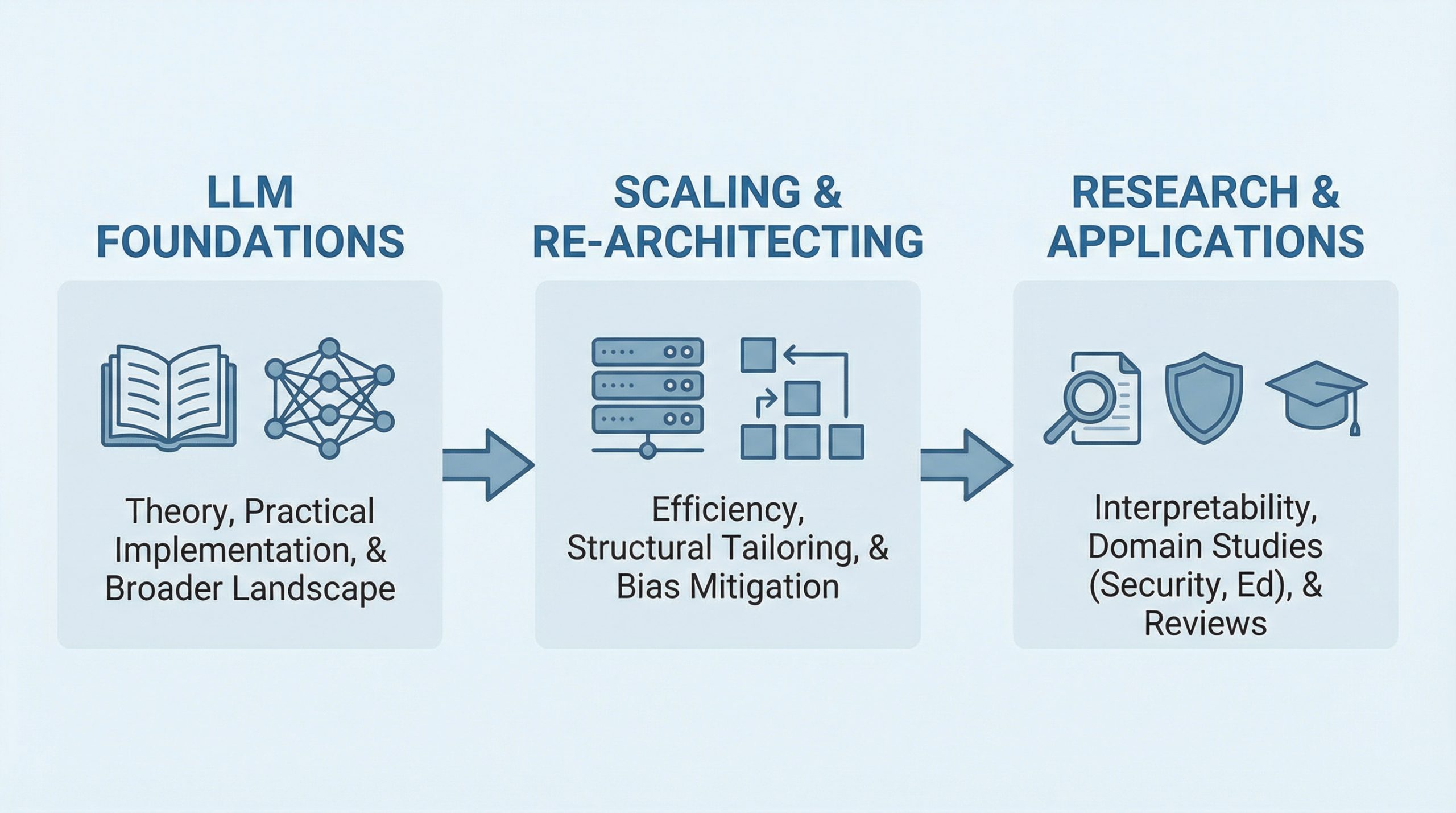
Google’s Gemini app has Surpassed 750M Monthly Active Users
Google’s AI chatbot Gemini has surpassed 750 million monthly active users (MAUs), according to the company’s fourth-quarter 2025 earnings. This figure illustrates the rapid consumer adoption of Gemini, which has quickly become a prominent player in the AI space.
Last quarter, Google reported 650 million monthly active users for Gemini, indicating substantial growth in a short period. In comparison, Meta AI has reported nearly 500 million monthly users. However, while Gemini is gaining traction, it still trails behind its biggest rival, ChatGPT, which is estimated to have around 810 million MAUs in late 2025.
 Lauren Forristal
🚀 Angular
The Ultimate Guide To Angular’s MCP
Ever struggled with an AI coding sidekick that spits out yesterday’s Angular tricks? You know the drill: it confidently generates module-heavy components or zoneless dreams that crash on your v21 project. It’s like asking your GPS for directions and ending up in a cornfield — frustrating, right?
Enter Angular’s MCP server, a game-changer stable since v21 dropped late last year. Short for Model Context Protocol, it’s basically a bridge letting your AI (think Cursor, VS Code’s Copilot, or Gemini) tap straight into the live CLI. No more stale hallucinations — instead, it queries real-time docs, best practices, and even your project’s angular.json for spot-on code gen. Read more!
Dynamic Reports: Natural Language Queries with On-the-Fly Code Generation
Depending on the context, AI assistants can select display components from a predefined catalog. However, an application can go one step further and generate code to provide fully dynamic parts of the application.
That is exactly what this article is about: we derive the code required to transform the data from a free-text request, and then the application displays the result as a chart. To avoid compromising the security of our system, we execute the generated code in a sandbox.
 Manfred Steyer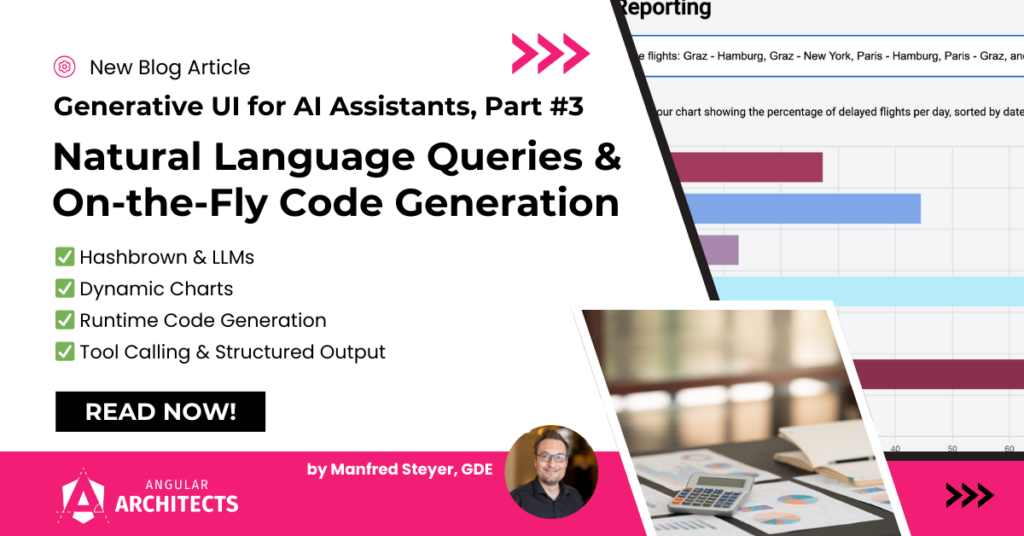
Reusable Validation in Angular’s Signal Forms
Repeating logic is one thing we all know is bad. In software, they train us to encapsulate, reuse, to abstract. Our techers even give us achronyms so the lesson sticks — DRY (Don’t Repeat Yourself… don’t repeat yourself). Every modern paradigms since OOP has tried to solve the same problem: how to package logic so it can be reused — with classes, functions, closures… whatever.
And yet, when working with Angular’s Reactive Forms, I keep running into the same situation: repeating validation logic for the same combinations of fields. Literal copy-paste. Over and over again. Read more!
Upcoming Events
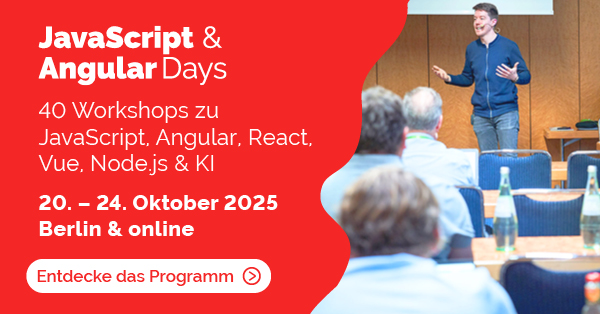
- JavaScript & Angular Days: March 20-24 2026 - Munich, Germany (and Online)
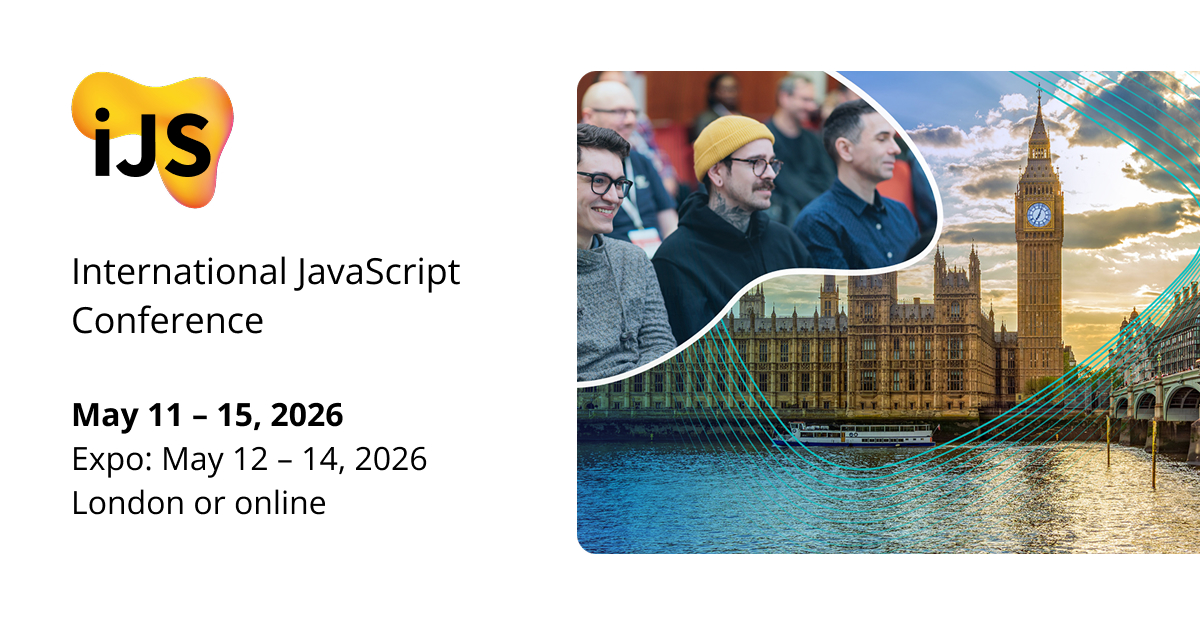
- International JavaScript Conference: May 11–15, 2026 - London, UK
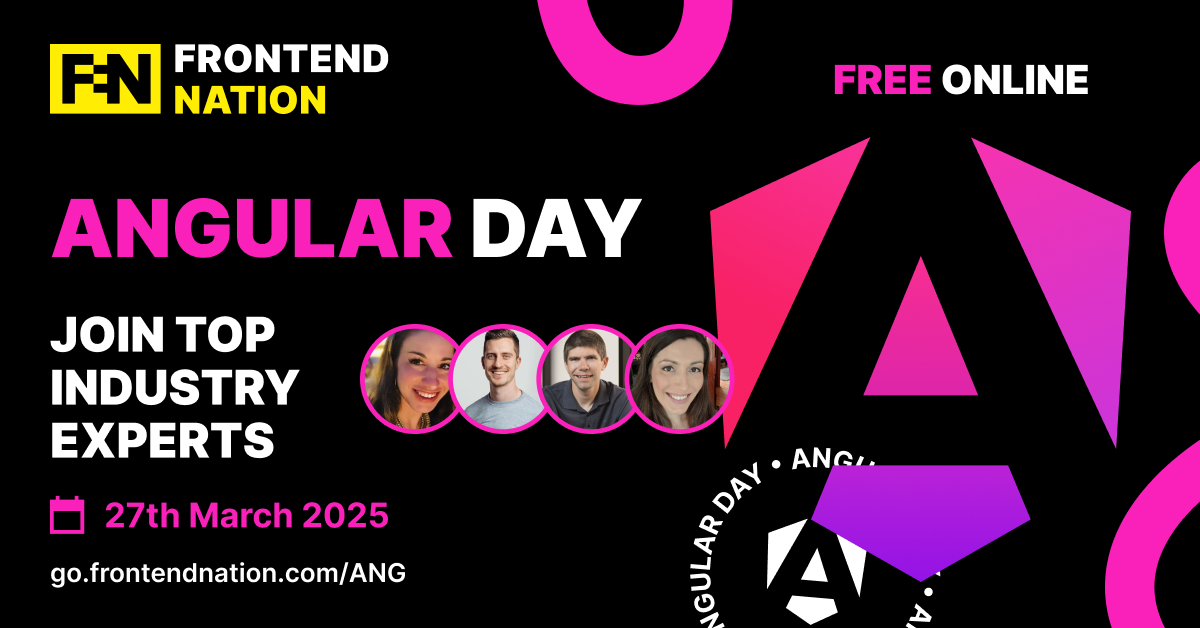
- Angular Day: will be held in 2026, Get notified yourself!



🌐 Web & Frontend
Introducing the Developer Knowledge API and MCP Server
As the ecosystem of AI-powered developer tools—from agentic platforms like Antigravity to command-line interfaces like Gemini CLI—continues to expand, a critical challenge has emerged: how do we ensure these models have access to the most accurate, up-to-date documentation?
Large Language Models (LLMs) are only as good as the context they are given. When building with Google technology, developers need their AI assistants to know the latest Firebase features, the most recent Android API changes, and the current best practices for Google Cloud.
Today, we are excited to announce the public preview of the Developer Knowledge API and its associated Model Context Protocol (MCP) server. Together, these tools provide a canonical, machine-readable gateway to Google’s official developer documentation.
 Jess Kuras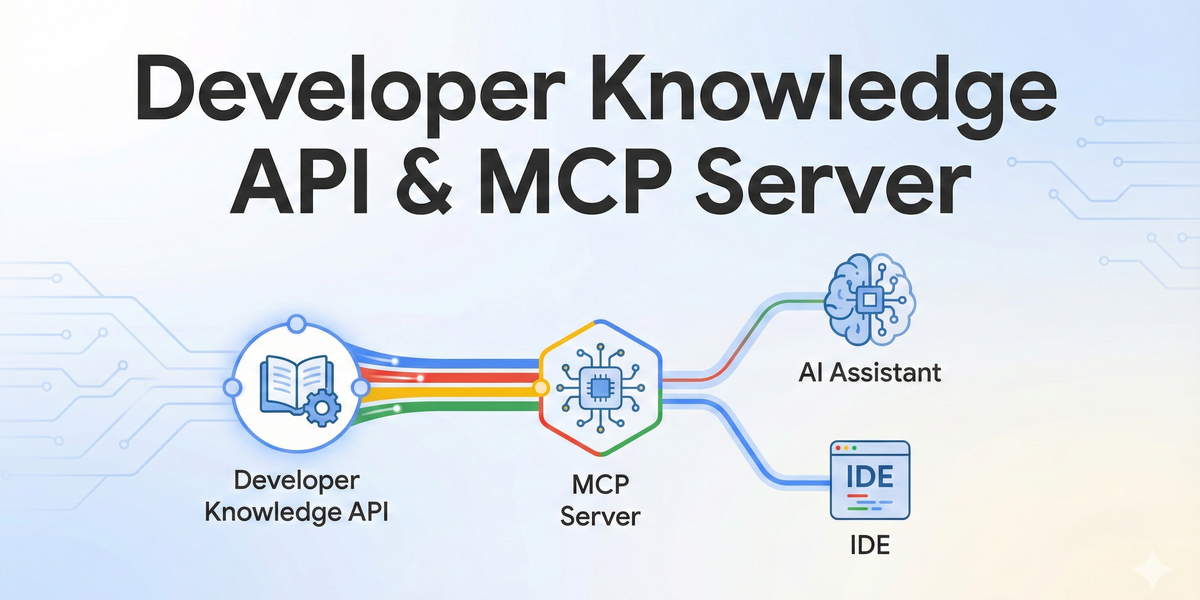
Vercel's New React Best Practices: What Every Developer Missed
Revolutionize your React workflow by mastering the new open standard for AI Agent Skills. In this guide, we tackle the "Context Saturation" problem and show you exactly how to equip Google Gemini and Claude with professional-grade procedural knowledge.
Vercel just dropped a massive React Best Practices guide, but most developers don't know how to actually integrate it into their daily coding agents. We walk through:
- Building a "Hello World" Agent Skill from scratch.
- Creating a "Feature Architect" skill to automate React scaffolding.
- Integrating Vercel’s official 57+ performance rules into your CLI.
- The transition from MCP servers to procedural "Agent Skills."
If you’re tired of AI models losing context or hallucinating project structures, this video is your solution to deterministic, high-quality AI coding.
Google Rebrands Open-Source ZetaSQL Project to GoogleSQL
Google has officially renamed its open-source ZetaSQL project to GoogleSQL. The update unifies the branding for the SQL dialect, analysis, and parsing libraries used across Google’s internal services, cloud platforms, and the external developer community.
GoogleSQL is the standard SQL dialect for major services such as BigQuery and Spanner. Although Google engineers referred to the language component as GoogleSQL internally, the company did not originally use this name for external product descriptions.
Consequently, while the open-source repository provided access to the same SQL foundation, it operated under the ZetaSQL banner, separating it from the terminology used in commercial documentation.
 Ryan Daws
Upcoming Events
- Accelerate AI with Cloud Run: February 13, 2026 - Berlin, Germany
- ConFoo Montreal 2026: February 25-27, 2026 - Montreal, Canada. Visit Site
- Frontend Nation: Comming in 2026! Free Online Live Event



💡 Bottom Line Up Front
The key takeaway this week is that modern development is increasingly shaped by AI systems that understand context, tooling, and real-world constraints. From OpenAI’s agentic coding models to Google’s Developer Knowledge API, the emphasis is moving beyond raw model capability toward reliability, integration, and practical usability.
Framework ecosystems like Angular and React are responding by formalizing AI interaction layers (MCP, agent skills, sandboxed code execution), signaling a future where AI-assisted development is structured, deterministic, and framework-aware rather than experimental or ad hoc.
I hope you find these helpful. If you do, please share our blog with others so they can join our amazing community on Discord (link below)

Don't miss out – join our awesome community to grow as a tech enthusiast, and to help others grow.
As always, Happy coding ❤️
Sponsor Us:
Promote your product to a focused audience of 4000+ senior engineers and engineering leaders.
Our newsletter delivers consistent visibility among professionals who influence technical direction and purchasing decisions.
Availability is limited. Secure your sponsorship by contacting ahsan.ubitian@gmail.com